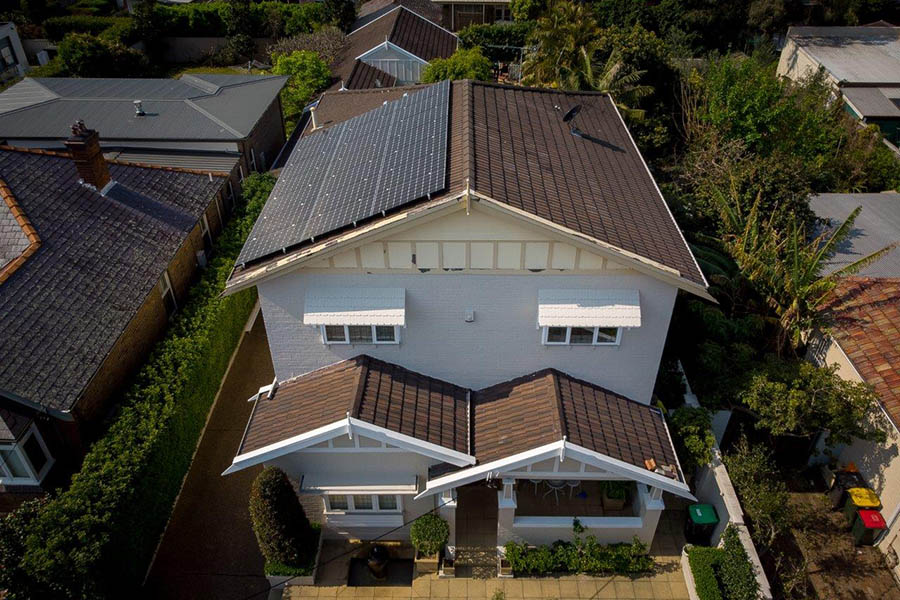
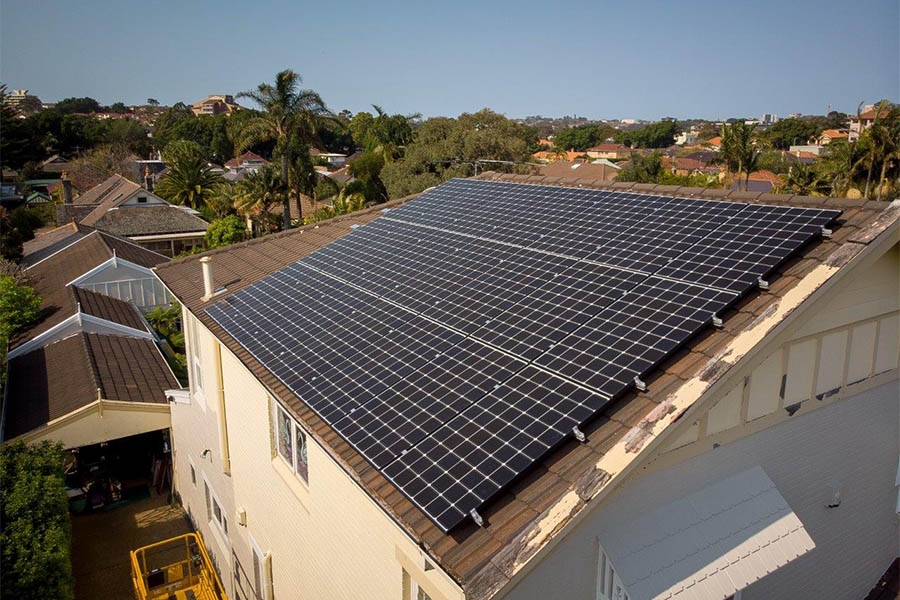
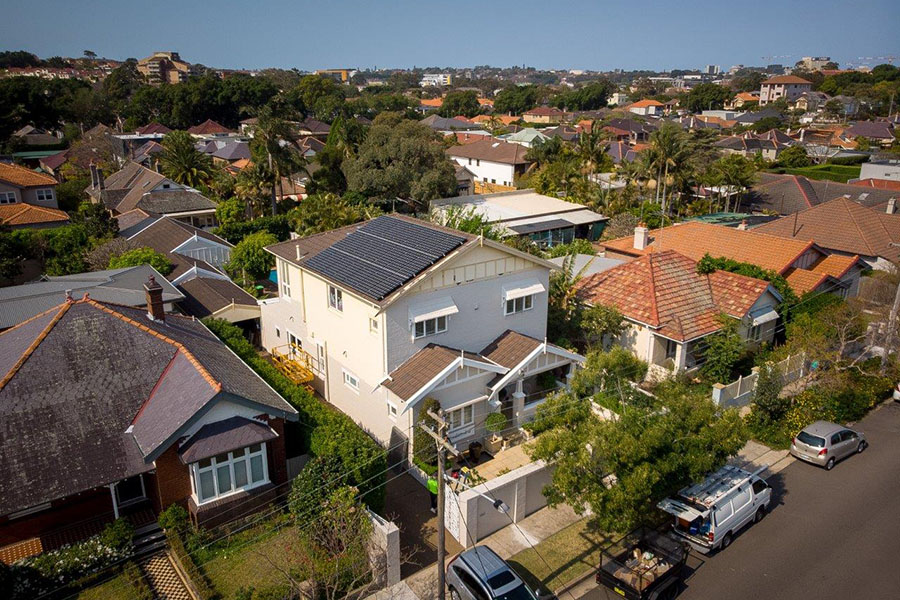
A Guide To Solar Power For Sydney Homeowners

Going solar might be a no-brainer for homeowners in Sydney. Electricity prices are on the rise and solar power has never been more affordable.

Before jumping into the decision we recommend you do your research. This guide is a great place to start.

We’ve put together some of the benefits of solar as well as factors you should consider before installing solar on your Sydney roof!

Benefits Of Installing Solar Panels In Sydney

If you’ve been researching solar, you probably already know the benefits of making the switch:

  • Solar power can save you money
  • Reduce the need to generate electricity from fossil fuels
  • Reduce carbon emissions
  • Create your own electricity
  • The ability to add batteries and other components to your system in the future
  • Increase the value of your home
  • Have a reliable energy source
  • Store power during the day with battery storage and use it at night for more efficiency

These are the general benefits you’ll find listed on any solar installer’s site. However, you should also consider the benefits of installing solar in your specific location.

If you live on or around Sydney, here are some more specific benefits you may not be aware of:

  • You may be entitled to a number of small-scale technology certificates (STCs) based on your location and other factors
  • You may be eligible for financial incentives, subsidies, loans or grants from the Government for your installation
  • You may be eligible for a feed-in tariff payment for any electricity you don’t use and export to the grid
  • Make sure you ask your installer about these benefits so you are aware of how you can save!

Now let’s move on to what you need to consider before you install solar on your roof.

7 Factors To Consider Before Installing Solar On Your Sydney Roof

Here are the seven most important factors you’ll need to consider before installing solar:

1. The solar panels themselves

Solar PV panels on roofs of homes and businesses generate clean electricity by converting sunlight into usable electricity. This conversion takes place within the solar cells and is a process that requires no moving parts. Soltek Energy only use high quality, durable and long lasting solar panels from reputable solar manufacturers that we trust to be around for a long time.

2. Inverter solutions

A solar inverter converts the variable direct current (DC) output of a photovoltaic (PV) solar panel into a 240V alternating current (AC). This AC electricity can be fed into your home to operate your household appliances. Long lasting solar systems for the Australian climate require high quality inverters. Unfortunately, lower quality inverters and panels have failed to perform under Australian conditions in large numbers and failed in as little as 2 years.

If you want more information on how panels and inverters work together plus 3 options for how to use the energy you generate, read our guide: How Solar Energy Works.

3. Battery storage (if applicable)

Since 2015 solar storage batteries have reduced steadily in cost to the point that pay back for many households is coming down from more than 10 years towards 7 years and less.

4. Mounting systems

Solar systems are mounted to roofs with a mounting system using various railings, frames and tiles or tin feet. Most mounting systems are made of aluminium with stainless steel hardware and are designed to accept a variety of solar modules on a variety of roof types. Purchasing a strong and well engineered mounting system is the sensible way to protect the investment you have made in your solar system as they will be more rigid. The standard mounting frame warranty is 10 years.

5. System size

Your solar system is rated according to the number of Watts it can produce per hour. There are a number of tools online to help you calculate what system size you will need.

6. Shading

The amount of electricity generated by your solar system directly relates to the amount of sunlight that your PV panels receive. The more your solar modules are covered in shade, the less electricity your system will generate.

7. How long your system will last

The key components susceptible to failure in your solar system are the solar panels, the inverter and some components like fuses and isolators. The key warranty for solar panels is the Manufacturer’s Warranty. Make sure you understand what is included in the Manufacturer’s Warranty so you aren’t surprised by any costs.

All of this information and more is available in PDF format in the Beginner’s Guide to Solar from LG and Soltek Energy. It’s a great resource to have on hand if you’re thinking about solar.

Common Misconceptions About Solar Power

We all have our misconceptions about solar power. Thankfully, accredited solar installers and solar panel manufacturers are willing to educate the masses on the topic. Let’s look at some of the most common misconceptions surrounding solar power.

We all have our misconceptions about solar power. These misconceptions might be around how solar power actually works, how reliable the products are, or how the technology can help you save money.

Thankfully, accredited solar installers and solar panel manufacturers are willing to educate the masses on the topic. Let’s look at some of the most common misconceptions surrounding solar power.

Misconception 1: Solar products are cheap quality

There certainly are some cheaply made solar panels out there, but don’t get fooled into thinking they all come from the same place. There are many solar panel manufacturing companies that care about advancements in technology and bringing you the best quality panel for your home.

All you need to do is make sure you’re working with an accredited solar dealer and installer, with products from the trusted brands.

Misconception 2: Solar panels malfunction all the time

Solar panel malfunctions are only common in cheaply made systems. The better the hardware, the longer it will last. Again, this comes down to the quality of your solar panel, so don’t go for the most inexpensive option. Do your research and find out about warranty information.

Misconception 3: Solar panels are way too expensive

Installing solar panels is very affordable when you factor in the long-term energy savings you’ll be seeing. It’s easy to get frightened by up-front costs, but solar panels are an investment. Especially considering the subsidies available in different Australian states as well as benefits when you feed back into the grid, solar panels are an affordable energy solution.

Misconception 4: Solar technology doesn’t make sense

Like any new concept, not everyone is going to understand how solar technology works right away. That’s what your solar dealers are for: ask them questions. It’s also why we have the Beginner’s Guide to Solar from LG which walks you through everything you need to know.

It might seem like there’s a lot you don’t know about solar power, but the information is out there if you’re ready to learn and want to save money on your electricity bill.

Originally posted on Solar Trust Centre: https://solartrustcentre.com.au/common-misconceptions-about-solar-power/

LG Electronics Enters Battery Storage Market

LG Electronics will be entering the battery storage market in 2019. This is great news for anyone looking for a trustworthy battery storage option in Australia. Read more here.

Renewables Now reported last week that LG Electronics will be entering the battery storage market in 2019. This is great news for anyone looking for a trustworthy battery storage option in Australia.

As solar rooftops become more popular, so do battery storage systems. The benefits of selling excess energy to the grid and managing your own energy system at home attracts all home owners.

The new LG system and inverter pack was presented at the All-Energy Expo in Melbourne earlier this month.

Here are the details we know so far about LG’s home battery system:

  • The new LG home battery system will be released in 2019
  • The system will come in a pack with the LG 3 phase hybrid inverter
  • LG will also be offering expandable battery packs, allowing the system to store up to 12.8 kWh
  • The battery system will come with a 10 year warranty


The addition of the ESS to our energy portfolio will
enable us to support Australian homeowners with
a 3 phase electric power and their demand for
greater control over their residential energy
consumption.

– Markus Lambert, General Manager
Solar & Energy LG Electronics Australia


Renewables Now also report that LG’s NeON R and NeON 2 solar panel efficiency will be boosted by 5 W next year. LG Electronics will also begin selling more models for homes with limited roof space, opening up the market to more homeowners and families.

Read the full article on Renewables Now.